Padel Injury Prevention: 6-Minute Warm-Up & Recovery Guide

Padel Injury Prevention: 6-Minute Warm-Up & Recovery Guide
Padel injury prevention starts before your first serve. Although padel is fun, social, and easy to learn, quick direction changes, sudden stops, volleys, lobs, and wall rebounds can place stress on your ankles, knees, shoulders, elbows, and lower back. Therefore, a simple 6-minute warm-up and recovery routine can help you move better, reduce soreness, and play with more confidence.
In this guide, you will learn why padel injury prevention matters, how to warm up in just 6 minutes, which recovery habits support your body, and what equipment can help you play more comfortably. Moreover, this routine is suitable for beginners, intermediate players, and club-level players who want a safer and more enjoyable game.
Table of Contents
- What Is Padel Injury Prevention?
- Why a Warm-Up Matters Before Padel
- Common Padel Injuries Players Should Avoid
- 6-Minute Padel Warm-Up Routine
- Padel Recovery Routine After Playing
- Padel Injury Prevention Tips for Every Player
- Best Equipment for Safer Padel Play
- Frequently Asked Questions About Padel Injury Prevention
What Is Padel Injury Prevention?
Padel injury prevention means preparing your body before play, moving with better technique during rallies, and recovering properly after matches. In addition, it includes using suitable equipment, staying hydrated, and listening to your body when you feel pain or fatigue.
Unlike slow warm-ups that take too much time, a focused 6-minute routine can be simple and effective. For example, dynamic movements can activate your legs, hips, shoulders, and core before you step onto the court.
Good padel injury prevention can help you:
- Move faster and more comfortably
- Reduce muscle stiffness before play
- Improve balance and coordination
- Prepare your joints for quick direction changes
- Lower the risk of common overuse discomfort
- Recover better after long matches
If you are still choosing the right racket for your playing style, read this helpful VEA guide: How to Choose the Best Padel Racket.
Why a Warm-Up Matters Before Padel
A warm-up matters because padel requires sudden movement. Although the court is smaller than a tennis court, the sport still involves quick reactions, side steps, short sprints, twists, and overhead shots. As a result, cold muscles and stiff joints may not respond well.
Moreover, a warm-up increases blood flow and prepares your nervous system for movement. Therefore, you can react faster, stay balanced, and reduce unnecessary strain during the first few games.
Warm-Up vs Static Stretching
Before playing, dynamic movements are usually better than long static holds. Dynamic warm-ups involve movement, such as side shuffles, arm circles, lunges, and small jumps. However, static stretching is often better after the match when your muscles are already warm.
| Activity | Best Time | Main Purpose |
|---|---|---|
| Dynamic warm-up | Before playing | Prepare muscles and joints |
| Light footwork drills | Before playing | Improve reaction and balance |
| Static stretching | After playing | Relax muscles and support recovery |
| Hydration and rest | Before and after | Support energy and recovery |
Common Padel Injuries Players Should Avoid
Padel is generally accessible, but injuries can happen when players skip warm-ups, use poor technique, or play too much without recovery. Therefore, understanding common problem areas can help you prepare better.
Ankle and Knee Strain
Padel includes quick stops, lunges, and side-to-side movement. Consequently, ankles and knees can be stressed if your footwork is uncontrolled or your shoes do not support movement well.
Shoulder and Elbow Discomfort
Overhead shots, volleys, and repeated arm movement can irritate the shoulder or elbow. However, a good shoulder warm-up and suitable racket control can reduce unnecessary pressure.
Lower Back Tightness
Twisting, bending, and reaching for low balls can affect the lower back. Therefore, activating your core and hips before playing is important.
Wrist and Forearm Fatigue
A poor grip or slippery handle can make you squeeze the racket too hard. As a result, the wrist and forearm may fatigue faster. In this case, replacing your grip can improve comfort and control.
For better racket comfort, explore the VEA Racket Overgrip Tape Pack of 12.
6-Minute Padel Warm-Up Routine
This padel injury prevention routine is designed to be quick and practical. Moreover, you can do it beside the court before a game or training session.
Minute 1: Light Jog and Court Movement
Start with a light jog around the court or in a small space. Then, add gentle side steps and backward steps. This raises your heart rate and prepares your body for movement.
- Jog slowly for 30 seconds
- Side step for 15 seconds
- Move backward carefully for 15 seconds
Minute 2: Side Shuffles
Side shuffles are important because padel requires lateral movement. Therefore, keep your knees slightly bent, stay light on your feet, and avoid crossing your legs too much.
- Shuffle right for 5 steps
- Shuffle left for 5 steps
- Repeat for 60 seconds
Minute 3: Dynamic Lunges
Dynamic lunges activate your legs, hips, and core. In addition, they prepare your body for low balls and quick defensive movement.
- Step forward into a controlled lunge
- Keep your chest tall
- Push back to the starting position
- Alternate legs for 60 seconds
Minute 4: Arm Circles and Shoulder Activation
Because padel includes volleys, smashes, and overhead shots, your shoulders need preparation. However, avoid aggressive movements before your muscles are ready.
- Small arm circles forward for 15 seconds
- Small arm circles backward for 15 seconds
- Large arm circles forward for 15 seconds
- Large arm circles backward for 15 seconds
Minute 5: Split-Step and Reaction Movement
The split step helps you react when your opponent hits the ball. Therefore, this drill is very useful for padel injury prevention and performance.
- Stand in an athletic position.
- Make a small jump and land softly.
- Move one step left or right.
- Return to the center.
- Repeat for 60 seconds.
Minute 6: Shadow Padel Shots
Finally, hold your racket and perform slow shadow movements. For example, practise volleys, backhand blocks, bandeja-style overhead movement, and recovery steps. As a result, your body connects warm-up movement with real padel actions.
- Forehand shadow swings
- Backhand shadow swings
- Volley preparation
- Overhead preparation
- Recovery steps after each movement
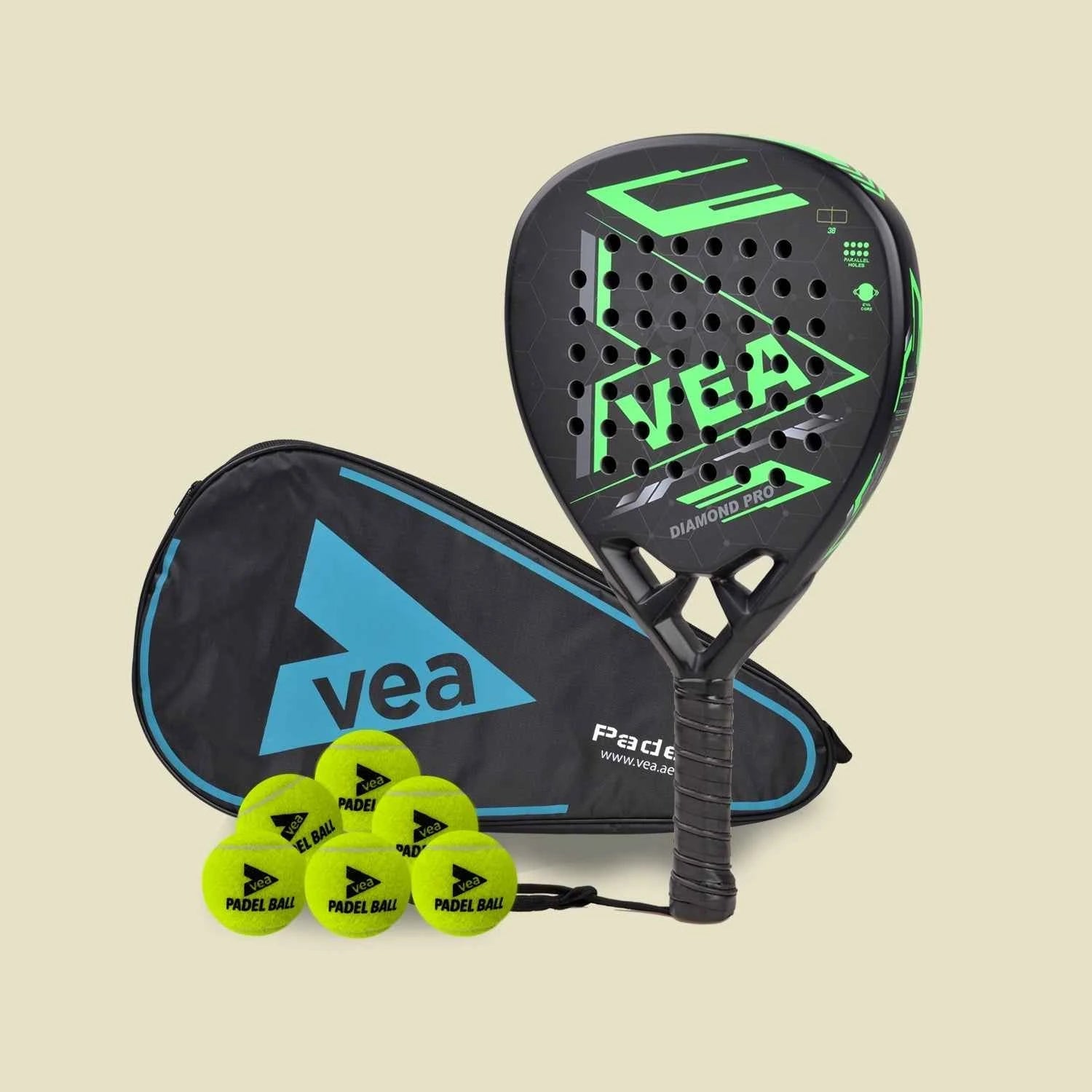
If you want a premium racket for training and match play, view the VEA Aerovolt Professional Padel Racket.
6-Minute Padel Warm-Up Summary
| Minute | Exercise | Focus Area |
|---|---|---|
| 1 | Light jog and court movement | Heart rate and mobility |
| 2 | Side shuffles | Lateral movement |
| 3 | Dynamic lunges | Legs, hips, and balance |
| 4 | Arm circles | Shoulders and arms |
| 5 | Split-step reaction drill | Reaction and footwork |
| 6 | Shadow padel shots | Match movement |
Padel Recovery Routine After Playing
Recovery is another important part of padel injury prevention. Although many players leave immediately after a match, a short recovery routine can reduce stiffness and help your body feel better the next day.
Cool Down for 3 to 5 Minutes
After playing, walk slowly around the court or training area. This helps your heart rate return to normal. Moreover, it gives your muscles time to relax after intense movement.
Stretch Major Muscle Groups
After your body is warm, gentle static stretching can be useful. However, do not force a stretch or bounce aggressively.
- Calf stretch
- Hamstring stretch
- Quadriceps stretch
- Hip flexor stretch
- Shoulder stretch
- Forearm stretch
Hydrate and Refuel
Because padel can be intense, hydration matters. Therefore, drink water after your match and consider a balanced meal or snack if you played for a long time.
Rest When Pain Appears
Muscle tiredness can be normal after exercise. However, sharp pain, swelling, or pain that continues should not be ignored. In that situation, rest and consider speaking to a qualified health professional.
Padel Injury Prevention Tips for Every Player
Padel injury prevention is not only about warm-ups. In fact, your habits during training, matches, and recovery also matter.
Use Proper Footwork
Move with small steps and avoid reaching too far without moving your feet. As a result, you can stay balanced and reduce stress on your knees and lower back.
Do Not Overplay
Playing many matches without rest may increase fatigue. Therefore, schedule recovery days, especially after long sessions or tournaments.
Improve Technique Slowly
Trying advanced shots too early can create unnecessary strain. Instead, build fundamentals first and increase intensity gradually.
Keep Your Grip Fresh
A worn or slippery grip can force you to hold the racket too tightly. Consequently, your forearm and wrist may become tired faster. Replacing your overgrip regularly can support better control.
Choose the Right Racket
The wrong racket may feel too heavy, too stiff, or difficult to control. Therefore, choose a racket that matches your skill level, strength, and playing style. You can compare options in the VEA Padel Rackets Collection.
Best Equipment for Safer Padel Play
The right equipment does not guarantee injury prevention, but it can support comfort, control, and confidence. In addition, good equipment can help you focus on technique instead of fighting with your gear.
- VEA Aerovolt Professional Padel Racket for premium power and precision
- VEA Racket Overgrip Tape Pack of 12 for grip comfort and sweat control
- VEA Padel Rackets Collection for racket options
- VEA Padel Balls Collection for consistent training and match play
- Shop All VEA Products for padel accessories and sports gear
Furthermore, if you are still unsure which racket is right for you, visit our guide: How to Choose the Best Padel Racket.
Useful External Resources
For official international padel information, visit the International Padel Federation. In addition, you can explore beginner padel information through LTA Padel. For general physical activity guidance, visit the World Health Organization physical activity guide.
When Should You Stop Playing?
Although padel is enjoyable, you should stop playing if your body gives clear warning signs. For example, sharp pain, dizziness, swelling, or sudden weakness should not be ignored.
Moreover, if pain continues after rest, it is better to get advice from a qualified medical professional. This article is for general fitness education and does not replace medical advice.
Frequently Asked Questions About Padel Injury Prevention
What is the best warm-up for padel injury prevention?
The best warm-up for padel injury prevention includes light jogging, side shuffles, dynamic lunges, shoulder activation, split steps, and shadow padel shots. Moreover, it should prepare your full body for quick movement.
How long should I warm up before playing padel?
A focused 6-minute warm-up can help prepare your body before casual or club-level play. However, longer or more intense sessions may require a longer warm-up.
Can padel cause knee pain?
Padel can stress the knees because of quick stops, lunges, and direction changes. Therefore, warm-ups, good shoes, controlled footwork, and proper recovery are important.
Why does my elbow hurt after padel?
Elbow discomfort can happen from overuse, poor technique, or gripping the racket too tightly. In addition, a worn grip can increase tension in the forearm. If pain continues, seek professional advice.
Should I stretch before or after padel?
Before padel, dynamic movement is usually better. After padel, gentle static stretching can help relax muscles and support recovery.
How can beginners avoid padel injuries?
Beginners can reduce injury risk by warming up, learning correct technique, using controlled footwork, choosing suitable equipment, and avoiding too many matches without rest.
Does the racket affect injury prevention?
A suitable racket can improve comfort and control. However, poor technique or overuse can still cause discomfort. Therefore, choose a racket that matches your level and playing style.
How often should I replace my overgrip?
You should replace your overgrip when it becomes slippery, dirty, or uncomfortable. Frequent players may need to change it more often to maintain control.
Final Thoughts
Padel injury prevention does not need to be complicated. In fact, a simple 6-minute warm-up can prepare your legs, shoulders, core, and reaction speed before playing.
Therefore, make warm-ups and recovery part of every match. In addition, use good footwork, avoid overplaying, keep your grip fresh, and choose equipment that supports your style.
Ready to improve your padel setup? Explore the VEA Padel Rackets Collection, browse VEA Padel Balls, or shop all padel gear at VEA.ae.
```